Choose where it matters.
Begin with objects whose form would benefit from being explored in three dimensions.
Material and surface suitability are assessed before capture, so the proposed scope reflects what can realistically be recorded.
FOR AUCTION HOUSES
Give prospective buyers a closer look at selected lots, wherever they are viewing from.
3D object imaging for digital catalogues, planned around the presentation and timing of your sale.
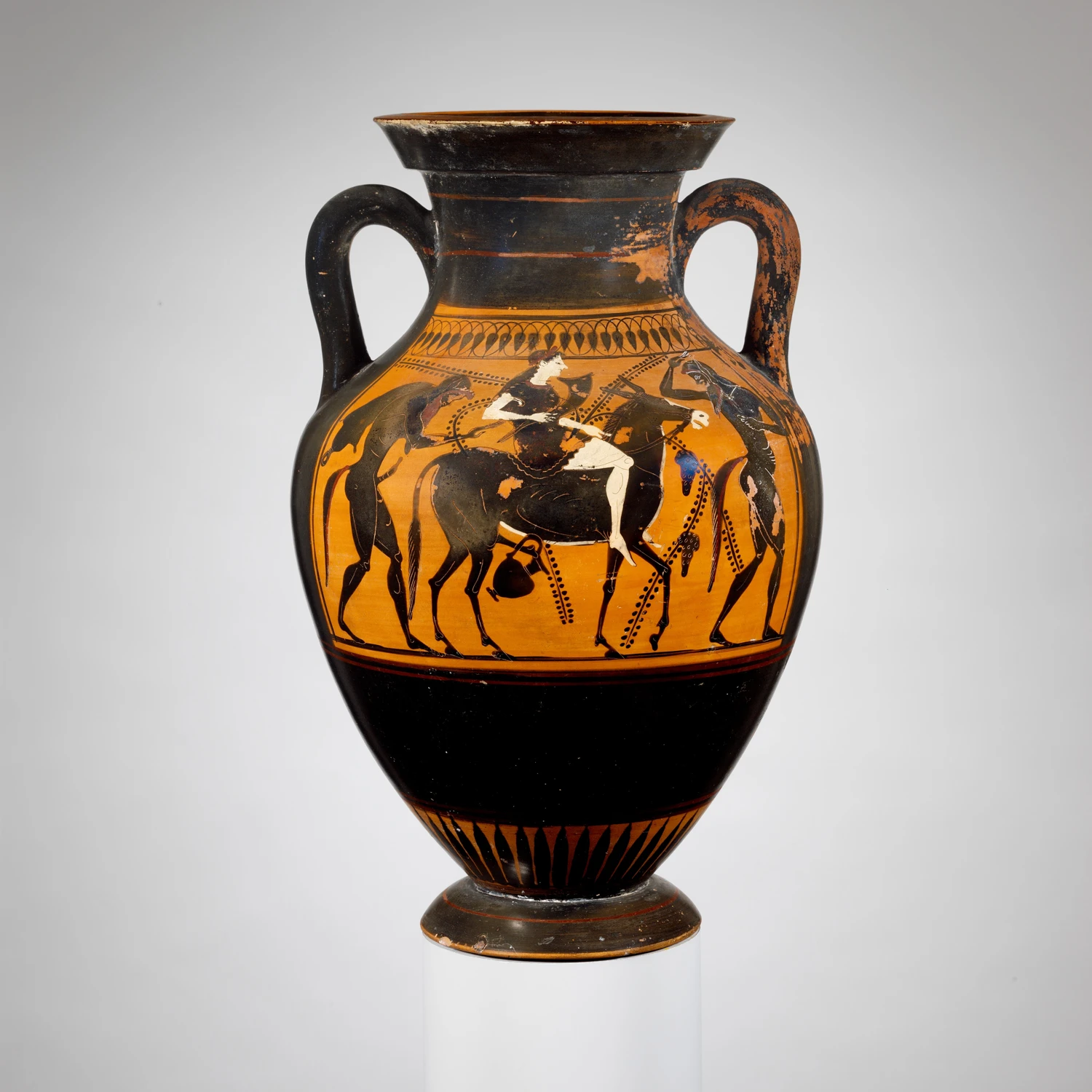 PRESENTATION / FROM EVERY SIDE
MADE FOR THE CATALOGUE
A 3D model complements the catalogue’s photography and specialist description. Viewers can turn the object to understand its shape and inspect recorded surface details.
Begin with objects whose form would benefit from being explored in three dimensions.
Material and surface suitability are assessed before capture, so the proposed scope reflects what can realistically be recorded.
A display version can be prepared for the agreed catalogue viewer, with attention to file size and ease of exploration.
Platform requirements are discussed with your team before production. The delivery can sit alongside your existing images and lot text.
Files are named against your agreed lot or stock references, with a note of the capture and model preparation.
Unrecorded areas and any visual alterations are identified, so presentation choices remain transparent.
WORKING TOWARDS THE SALE
Share the catalogue and sale dates at the outset. Feasibility and delivery timing are confirmed before a commission is accepted.
Discuss proposed lots, object suitability and the intended catalogue presentation.
Agree access, handling, rights and a delivery schedule that suits the proposed work.
Capture and reconstruct the objects, then review display versions and their limitations.
Hand over the agreed files and documentation against your lot references.
THE HANDOVER
Agree the catalogue requirements before photography begins.
AUCTION HOUSE QUESTIONS
No. The model records the visible surfaces that the capture can describe. Specialist condition reporting, attribution, authentication and valuation remain with your appointed specialists.
We discuss the intended platform and its supported model formats before scoping the work. File delivery, embedding and any ongoing hosting requirements are agreed separately; compatibility is checked against your chosen setting.
Timing depends on the objects, access and required outputs. Share the proposed catalogue and sale dates in your enquiry. A schedule is confirmed only once the work has been assessed.
Publication dates, embargoes and portfolio permissions are agreed in writing. A commission does not give us permission to publish the lots or identify a consignor.
A CLOSER LOOK AT YOUR LOTS
Start with the proposed objects
and your intended sale timetable.